S690QL Plate: High-Strength Structural Steel for European and Middle Eastern Industries
When heavy structures need high load-bearing capacity without adding unnecessary weight, S690QL offers a practical steel solution. This quenched and tempered high-strength structural steel is developed for demanding engineering applications where strength, toughness, and reliable fabrication performance are important. It is widely considered for cranes, heavy machinery, transportation equipment, lifting structures, construction machinery, and large fabricated components.
Across European and Middle Eastern markets, engineers and procurement teams increasingly look for high-strength grades that can support lighter and more efficient structural designs. A properly specified S690QL Plate can provide a high level of yield strength while helping reduce structural weight in suitable applications. For buyers, the key is not simply selecting a high-strength grade, but sourcing material that matches the required standard, thickness, testing, certification, and project conditions.
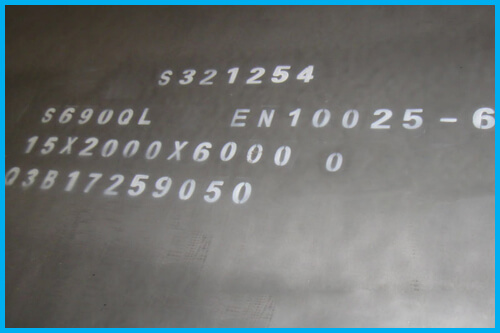
What is S690QL?
S690QL is a high-strength structural steel grade specified under EN 10025-6, which covers hot-rolled flat products made from weldable fine-grain structural steels in quenched and tempered conditions. The grade designation indicates a nominal minimum yield strength of 690 MPa for applicable thickness ranges, while the “QL” designation relates to the specified impact toughness requirement at low temperature.
Typical applications include crane components, heavy-duty construction equipment, mining machinery, pressure-supporting structures, bridges, transportation equipment, and large structural assemblies. The actual suitability of the material depends on the engineering design, thickness, operating environment, fabrication process, and applicable project specification.
Common International Standards Used Alongside S690QL
The primary standard associated with this grade is EN 10025-6. European procurement specifications generally identify the grade together with plate dimensions, thickness, delivery condition, mechanical requirements, impact testing, inspection, and certification.
EN 10204 is also commonly relevant when buyers require material inspection documents. For critical engineering projects, an EN 10204 3.1 inspection certificate may be requested to provide traceability and test information.
Additional testing can be specified depending on the project. For example, EN 10160 may apply where ultrasonic testing of steel plates is required.
Buyers should be careful when comparing S690QL with grades from ASTM, ASME, DIN, JIS, or UNS systems. These standards should not automatically be treated as direct equivalents. Chemical composition, yield strength, tensile strength, impact properties, thickness ranges, heat treatment, and certification requirements should all be compared before approving an alternative material.
Why European Buyers Choose S690QL
European engineering companies often require structural materials that provide high strength without making fabricated equipment unnecessarily heavy. This is one of the main reasons S690QL is considered for demanding structural applications.
Weldability is also an important consideration. Although S690QL is designed as a weldable structural steel, welding procedures need proper control. Factors such as preheating, heat input, interpass temperature, consumables, joint preparation, and cooling conditions should be considered according to the approved welding procedure.
For European projects, documentation is equally important. Buyers commonly request heat identification, chemical analysis, mechanical test results, dimensional inspection, impact testing, and material certificates depending on project requirements.
Finding Reliable S690QL Suppliers
Selecting an experienced S690QL Plate Supplier is an important part of the procurement process. Industrial buyers need more than material availability. They need accurate documentation, consistent quality, suitable dimensions, inspection support, and dependable delivery.
For customers in Germany, France, Italy, Spain, the UK, Belgium, the Netherlands, and other European countries, documentation and traceability can be especially important when plates are being used in certified fabrication projects.
Middle Eastern buyers also have demanding requirements. Industries in the UAE, Saudi Arabia, Qatar, Kuwait, Oman, and Bahrain use high-strength steel for construction equipment, cranes, heavy fabrication, industrial machinery, and infrastructure-related applications.
A capable supplier should understand the technical requirements before confirming an order. This includes the required thickness, dimensions, standard, testing requirements, certification, quantity, cutting requirements, packing, and destination.
Indian suppliers can also serve European and Middle Eastern projects when they maintain suitable sourcing networks and can provide the required technical documentation and export support.
What Buyers Usually Check Before Ordering
Before placing an order, procurement teams normally verify the exact grade and applicable standard. The purchase order should clearly state S690QL and the relevant requirements under EN 10025-6.
Thickness is another important factor because mechanical properties can vary according to the applicable thickness range. Buyers should check yield strength, tensile strength, elongation, and impact toughness against the relevant standard.
Certification should also be discussed at the quotation stage. Depending on the project, customers may require EN 10204 3.1 certificates, third-party inspection, ultrasonic testing, or additional quality documentation.
The intended fabrication process should also be considered. If the plate will be welded, bent, machined, or cut into complex components, the supplier should know the application so the material can be supplied according to the required specifications.
International buyers should additionally review packing, plate marking, heat numbers, inspection documents, shipping arrangements, and delivery schedules. These details are particularly important when material is being shipped from India to European or Middle Eastern destinations.
Global Demand for S690QL
The demand for high-strength structural steel is closely connected with industries looking for lighter, stronger, and more efficient equipment. Across Europe, the grade is relevant to manufacturers involved in cranes, lifting systems, construction machinery, heavy vehicles, transportation equipment, and industrial fabrication.
The Middle East also represents an important market for high-strength steel. Infrastructure development, construction equipment, industrial plants, mining-related machinery, material handling systems, and heavy engineering projects can require structural plates with high yield strength.
European markets such as Germany and the UK often place significant importance on specification compliance and traceability. Similarly, buyers across the UAE and Saudi Arabia may require detailed inspection documentation for major industrial and construction projects.
For international procurement teams, working with an experienced S690QL Plate Stockist can be useful when immediate availability, specific dimensions, or smaller quantities are required. Stock-based supply can help reduce lead times compared with waiting for a new production cycle.
In other situations, buyers may work with an S690QL Plate Trader when sourcing specific sizes, quantities, or international delivery requirements. The important point is to verify the material certificate and specification before accepting the supply.
Looking for S690QL Plate?
If your project requires high-strength structural steel for heavy machinery, lifting equipment, construction applications, or industrial fabrication, Vandan Steel & Engg. Co. can assist with S690QL requirements. As an S690QL Plate Dealer, the company can support buyers with specifications, dimensions, certification requirements, quantities, and delivery requirements for projects across European and Middle Eastern markets.